How Do Wireless Earbuds Compare to True Wireless Earbuds?
The headphone market has changed quickly over the past decade. Wired earphones have almost disappeared from daily use and have been replaced by Bluetooth-based alternatives. This shift created confusion for many buyers, especially when comparing wireless vs true wireless earbuds. At first glance, both seem similar because they are cable-free and connect via Bluetooth, but in reality, their design and user experience are quite different. These differences affect comfort, battery life, portability, and long-term usability in practical ways. Understanding them is important if you want to choose the right option instead of relying on marketing terms or assumptions. The goal here is to make the comparison clear and practical so you can decide based on real usage needs rather than hype.
Defining the Basics: What Counts as Wireless Audio?
Wireless audio refers to any headphone or earbud system that connects to a device without a physical cable. This includes multiple product types, not just one category. Traditional wireless earbuds usually have a cable or neckband connecting the two earbuds, even though they connect wirelessly to your phone. True wireless earbuds remove this connection completely, meaning each earbud operates independently. This small structural difference is the foundation of everything that follows, including how they charge, how they fit, and how they perform in daily life. Without understanding this distinction, it becomes easy to confuse features and expectations.
Core Difference Between Wireless and True Wireless Earbuds
The main difference between these two categories is design structure, and this directly affects user experience in several ways.
Connection Between Earbuds
Wireless earbuds typically use a neckband or short cable that connects both earbuds. This design keeps key components like battery and controls in one central unit. True wireless earbuds remove this entirely, making each earbud a separate device that connects independently. This means no physical link exists between left and right earbuds, which changes how they feel and function during use.
Design Philosophy and User Experience
Wireless earbuds prioritize stability and practicality. They are harder to lose and often feel more secure during movement. True wireless earbuds prioritize freedom and minimalism. They offer a cleaner design with no cables or bands, making them more convenient for everyday carry. The choice here is essentially between reliability and complete freedom.
Charging and Power Systems
Wireless earbuds usually charge as a single unit via the neckband. True wireless earbuds rely on a charging case, where each earbud is stored and charged individually. This affects how you manage battery life and charging routines. It also influences portability, since the case becomes an essential part of the system.
How Wireless Earbuds Work
Wireless earbuds operate using Bluetooth connectivity combined with a neckband structure. The neckband typically contains the battery, microphone system, and control buttons. This allows for a larger battery capacity compared to individual earbuds. The design also makes controls easier to access since they are located on the band rather than small earbud surfaces. This setup is practical for users who prefer straightforward operation and longer continuous playback without frequent charging.
How True Wireless Earbuds Work
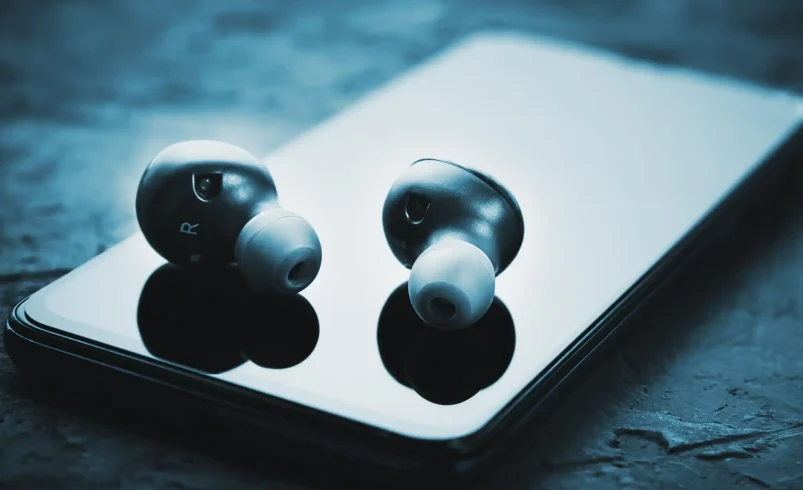
True wireless earbuds are fully independent devices. Each earbud has its own battery, chip, and antenna. They connect directly to your smartphone and sync with each other through Bluetooth technology. A charging case is used to store and recharge them when not in use. Modern versions are highly stable, although earlier models sometimes had connection issues. Today, performance has improved significantly, making them reliable for most everyday users.
Sound Quality Comparison
Sound quality depends more on engineering than category, but design differences still play a role.
Driver Size and Audio Tuning
Both wireless and true wireless earbuds can deliver high-quality sound if properly tuned. Wireless models sometimes benefit from slightly larger housing, which can accommodate bigger drivers. True wireless earbuds rely more on advanced tuning software and compact acoustic design. This means sound quality can be excellent in both categories, depending on the manufacturer.
Latency and Connection Stability
Latency is the delay between audio and video. Wireless earbuds with neckbands often provide more stable connections due to centralized components. True wireless earbuds have improved significantly in this area, but lower-end models may still show slight delays. For gaming or video watching, stability becomes an important factor.
Noise Isolation and Call Quality
Noise isolation depends mainly on ear tips and fit rather than category. However, call quality can vary slightly. Wireless earbuds sometimes place microphones closer to the mouth via the neckband, which can improve voice clarity in noisy environments. True wireless earbuds rely heavily on software noise reduction, which has improved but still varies by model.
Comfort, Fit, and Daily Usability
Comfort is highly subjective and depends on usage habits. Wireless earbuds feel more stable due to the neckband, making them suitable for long wear and physical activity. True wireless earbuds feel lighter and more minimal, which many users prefer for casual listening. During workouts, both can perform well if they fit properly, but wireless models are less likely to be misplaced during movement. True wireless earbuds offer more freedom but require more careful handling due to their separate components.
Battery Life and Charging Experience
Battery performance differs in how it is experienced rather than total capacity. Wireless earbuds often provide longer continuous playback because of larger built-in batteries in the neckband. True wireless earbuds rely on multiple charging cycles through the case, which extends total usage time but in shorter sessions. Fast charging is now common in both categories, reducing downtime significantly. The key difference is not just battery size but how charging is managed in daily life.
Portability and Travel Convenience
True wireless earbuds are more compact and easier to carry since they come with a small charging case that fits in a pocket. Wireless earbuds require more space due to the neckband, making them slightly less convenient for travel. However, wireless models reduce the risk of losing individual earbuds because they are physically connected. True wireless earbuds are more portable but require more attention to storage and handling.
Connectivity Features and Smart Controls
Modern earbuds offer advanced features in both categories. True wireless earbuds often include touch controls, voice assistant support, and app integration. Wireless earbuds rely more on physical buttons, usually placed on the neckband, which can be easier to use during workouts. Multipoint connectivity is increasingly available in both types, allowing connection to multiple devices. The difference lies more in interface style than actual capability.
Durability and Water Resistance
Durability depends on build quality, but design still influences resilience. Wireless earbuds often feel sturdier because the neckband protects internal components and reduces the risk of loss. True wireless earbuds are compact but require careful handling. Many modern models in both categories offer strong water and sweat resistance, making them suitable for fitness and outdoor use. However, physical security is generally higher in wireless designs.
Price Differences and Value for Money
Wireless earbuds are often more affordable in mid-range segments, offering solid performance without premium pricing. True wireless earbuds dominate the premium market, offering advanced features like active noise cancellation, spatial audio, and compact design. Value depends on user needs rather than price alone. If you prioritize stability and battery life, wireless earbuds may offer better value. If you want portability and advanced features, true wireless earbuds justify their higher cost.
Who Should Choose Wireless Earbuds?
Wireless earbuds are best suited for users who prioritize stability, longer single-session battery life, and ease of control. They are ideal for fitness users, outdoor workers, and people who prefer not to manage small detachable components. They also appeal to users who value reliability over ultra-compact design.
Who Should Choose True Wireless Earbuds?
True wireless earbuds are better for users who prioritize portability, modern design, and feature-rich experiences. They are ideal for commuters, casual listeners, and tech-savvy users who want minimal hardware and maximum convenience. They also suit people who prefer lightweight setups without neckbands or cables.
Common Misconceptions About Wireless vs True Wireless Earbuds
One common misconception is that true wireless earbuds always deliver better sound quality, which is not true since sound depends on tuning and hardware. Another myth is that wireless earbuds always have better battery life, but this depends on usage patterns and charging cycles. Some also believe true wireless earbuds are less durable, but modern models are highly reliable when properly built.
Future Trends in Wireless Audio Technology
Wireless audio technology continues to evolve rapidly. Bluetooth improvements are reducing latency and improving stability across both categories. AI-based sound optimization is becoming more common, adjusting audio automatically based on environment. Hybrid designs may also emerge, combining benefits of both wireless and true wireless systems. Over time, the difference between these categories may become less important than feature sets and ecosystem integration.
Conclusion
The comparison of wireless vs true wireless earbuds is not about which is better overall, but which fits your lifestyle. Wireless earbuds offer stability, longer continuous playback, and practical control. True wireless earbuds offer portability, modern design, and advanced features. The right choice depends on how you use them daily, not on trends or marketing claims. If you value reliability and battery endurance, wireless earbuds are a strong option. If you prefer convenience and minimal design, true wireless earbuds are more suitable. The best decision always comes from matching technology to real-life needs rather than chasing specifications alone.