
Why Are Wireless Earbuds Better Than Wired Earphones for Daily Use?
Personal audio devices have evolved significantly over the past decade. What began with simple wired earphones connected to portable music players has transformed into a new generation of compact, powerful wireless earbuds.
Wireless earbuds have quickly become one of the most popular audio accessories in the world. Whether people are commuting, exercising, attending online meetings, or relaxing with music, these devices offer a convenient way to enjoy sound without the limitations of traditional cables.
While wired earphones are still used by some listeners, many people now prefer the flexibility and features of wireless audio technology.
Understanding why wireless earbuds are better than wired earphones for daily use requires looking at several factors, including convenience, portability, design, sound quality, and modern technological features. This guide explores how wireless earbuds have changed the listening experience and why they have become a preferred choice for everyday use.
The Evolution of Personal Audio Devices
For many years, wired earphones were the standard for personal audio listening.
These earphones used a physical cable that connected directly to a device such as a smartphone, laptop, or music player. While this design worked effectively, it often came with certain inconveniences.
Users frequently experienced tangled cables, limited movement, and compatibility issues with newer devices.
As wireless technology improved, manufacturers began developing earbuds that could connect to devices through Bluetooth rather than cables. The introduction of wireless earbuds represented a major shift in how people listen to audio.
Today, wireless earbuds are widely used for music, podcasts, phone calls, gaming, and video streaming.
Freedom of Movement
One of the most significant advantages of wireless earbuds is the freedom they provide.
Unlike wired earphones, wireless earbuds do not rely on cables that connect directly to the device. Instead, they communicate through Bluetooth technology.
This allows users to move freely while listening to audio.
For example, someone working at home can walk around the room while listening to music or taking a call without needing to carry their phone.
This freedom of movement is especially valuable for activities such as exercising, commuting, or performing household tasks. Without cables restricting movement, the listening experience becomes more comfortable and flexible.
Improved Convenience for Daily Activities
Wireless earbuds are designed to fit easily into modern lifestyles.
Because they are compact and cable-free, they can be quickly placed in the ears and connected to a smartphone or laptop.
Many models automatically connect to previously paired devices when removed from their charging case.
This quick pairing process eliminates the need to plug in cables or adjust connectors. The convenience becomes particularly noticeable during busy moments such as answering phone calls or joining online meetings.
With wireless earbuds, users can respond instantly without fumbling with tangled wires.
Portability and Compact Design
Another advantage of wireless earbuds is their small and portable design.
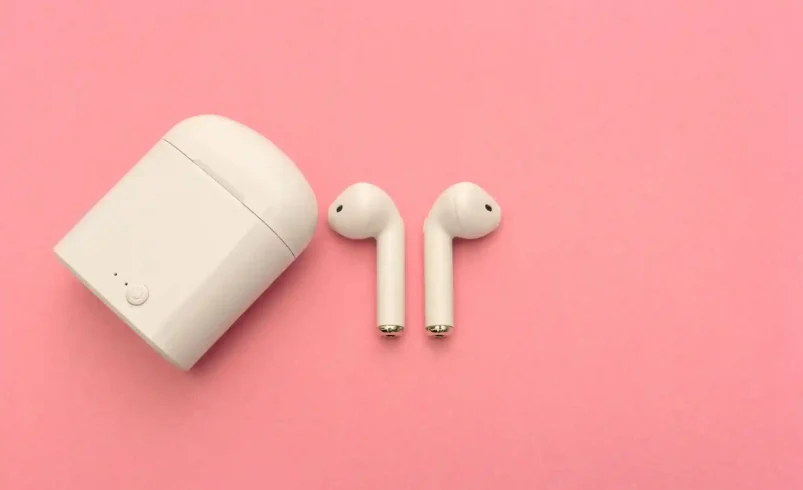
Most models come with a compact charging case that protects the earbuds when they are not in use.
The case also recharges the earbuds automatically, ensuring they are ready whenever needed. This design makes wireless earbuds easy to carry in a pocket, bag, or backpack.
Compared to traditional wired earphones that often require careful storage to avoid tangling, wireless earbuds offer a more organized and portable solution.
The compact design supports modern lifestyles where people frequently move between locations such as home, work, and travel destinations.
Reduced Cable Problems
One of the most common frustrations with wired earphones is tangled cables.
Over time, wires may twist, knot, or become damaged.
Frequent bending of the cable near the connector can also cause audio interruptions or complete failure. Wireless earbuds eliminate these issues entirely because they do not rely on external wires.
Without cables to manage, users can focus entirely on listening rather than adjusting or untangling cords. This design improvement has made wireless earbuds particularly popular among active individuals who want hassle-free audio devices.
Advances in Wireless Audio Technology
Early wireless audio devices sometimes suffered from connection issues or reduced sound quality.
However, modern wireless earbuds have significantly improved due to advancements in Bluetooth technology.
Newer Bluetooth versions offer faster data transmission and improved signal stability. As a result, many wireless earbuds now deliver high-quality audio comparable to wired alternatives.
Some models even support advanced audio codecs that enhance sound clarity and reduce latency. These technological improvements have helped wireless earbuds become reliable options for everyday listening.
Smart Features in Wireless Earbuds
Modern wireless earbuds often include features that go beyond simple audio playback.
Many models are equipped with smart technology that enhances the overall listening experience.
Some common features include:
-
Touch controls for adjusting volume or skipping tracks
-
Built-in microphones for phone calls and voice assistants
-
Noise cancellation for reducing background sounds
-
Transparency modes that allow users to hear surrounding sounds when needed
These features add convenience and functionality that traditional wired earphones typically do not provide.
For example, active noise cancellation can make commuting or traveling more comfortable by reducing external noise.
Battery Life and Charging Convenience
Battery life was once considered a major limitation of wireless earbuds.
However, modern designs have improved significantly.
Most wireless earbuds can now provide several hours of continuous listening on a single charge. The charging case usually stores additional power, allowing the earbuds to recharge multiple times throughout the day.
Many models also support fast charging, which provides hours of playback after just a short charging period. Although wired earphones do not require batteries, the convenience of wireless charging solutions often outweighs this difference.
Comfort and Ergonomic Design
Wireless earbuds are typically designed with comfort in mind.
Manufacturers invest significant effort in creating ergonomic shapes that fit securely in the ear.
Many models include interchangeable ear tips in different sizes to ensure a comfortable fit.
This design approach makes wireless earbuds suitable for long listening sessions. Whether someone is traveling, studying, or working, comfortable earbuds help reduce fatigue and improve the overall audio experience.
Better Compatibility with Modern Devices
Many modern smartphones no longer include traditional headphone jacks.
This change has encouraged the widespread adoption of wireless audio devices.
Wireless earbuds connect easily to smartphones, tablets, laptops, and smart TVs through Bluetooth. This compatibility allows users to switch between devices without needing additional cables or adapters.
As more devices move toward wireless connectivity, earbuds that rely on Bluetooth become increasingly practical.
When Wired Earphones May Still Be Useful
Although wireless earbuds offer many advantages, wired earphones still have some strengths.
For example, they do not require charging and may offer slightly lower audio latency.
Professional audio engineers and musicians sometimes prefer wired connections for studio work. However, for most everyday activities such as commuting, exercising, and casual listening, wireless earbuds provide greater convenience and flexibility.
This is why many consumers now choose wireless models for daily use.
FAQs
1. Are wireless earbuds better than wired earphones?
Wireless earbuds are often considered better for everyday use because they provide freedom of movement, portability, and advanced features such as noise cancellation and touch controls. While wired earphones can still offer reliable sound, wireless technology offers greater convenience for modern lifestyles.
2. Do wireless earbuds have good sound quality?
Modern wireless earbuds can provide excellent sound quality thanks to improvements in Bluetooth technology and advanced audio codecs. Many high-quality models deliver clear and balanced audio that rivals traditional wired earphones, making them suitable for music, podcasts, and phone calls.
3. How long do wireless earbuds batteries last?
Battery life varies depending on the model, but many wireless earbuds provide several hours of listening on a single charge. Charging cases typically store additional power, allowing the earbuds to recharge multiple times throughout the day for extended use.
Final Thoughts
Wireless earbuds have transformed the way people listen to audio in their daily lives. By eliminating cables and introducing advanced features, these devices offer greater convenience, portability, and flexibility for modern users.
While wired earphones still serve certain specialized purposes, wireless earbuds provide a more practical solution for everyday listening. Their combination of comfort, smart technology, and mobility makes them a popular choice for music, communication, and entertainment in today’s connected world.