What Are Wireless Earbuds and How Do They Work?
In today’s tech-savvy world, wireless earbuds have rapidly gained popularity, becoming essential accessories for music lovers, commuters, and fitness enthusiasts alike. These compact audio devices promise convenience, quality sound, and a cable-free experience. But what exactly are wireless earbuds, how do they work, and what should you consider before purchasing a pair? In this comprehensive guide, we will explore the intricacies of wireless earbuds, their features, and the technology that powers them.
What Are Wireless Earbuds?
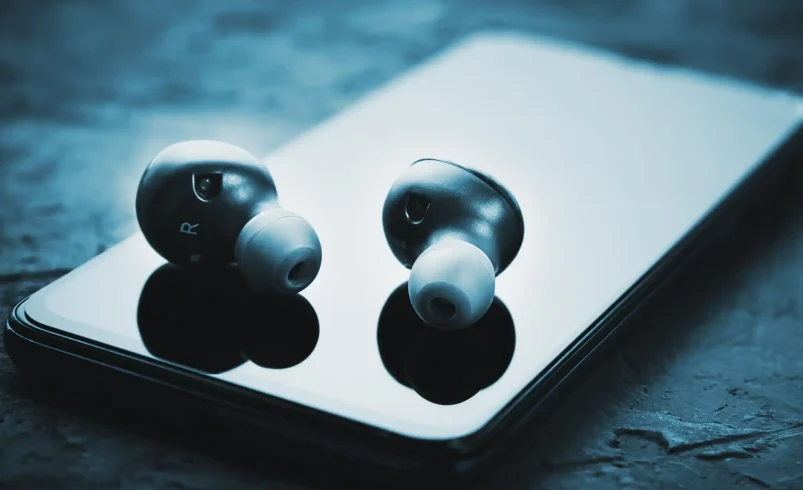
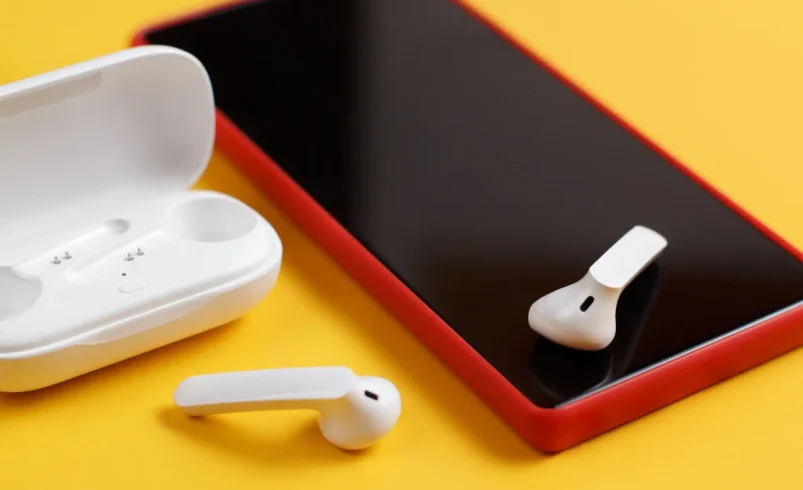
Wireless earbuds are small, portable audio devices designed to fit comfortably in the ears without any connecting cables. Unlike traditional wired headphones that rely on a physical connection to a device, wireless earbuds use Bluetooth technology to connect to smartphones, tablets, laptops, and other compatible devices.
These earbuds have become increasingly popular due to their portability and ease of use, providing a seamless audio experience for users on the go. They come in various styles, shapes, and sizes, catering to different preferences and lifestyles.
The Evolution of Earbuds
The journey of earbuds began in the early 2000s when manufacturers started to develop smaller and more portable audio devices. Early versions were wired and often bulky, but as technology advanced, manufacturers began to create sleeker designs that fit snugly in the ear.
The introduction of Apple’s AirPods in 2016 marked a significant turning point in the evolution of wireless earbuds. This product not only popularized the concept but also set new standards for design, functionality, and performance. Following Apple’s lead, numerous companies entered the market, offering various options that catered to diverse needs and budgets.
How Do Wireless Earbuds Work?
Understanding how wireless earbuds function requires a closer look at the technology behind them.
Bluetooth Technology
At the heart of wireless earbuds is Bluetooth technology, a wireless communication standard that allows devices to exchange data over short distances. When you connect your wireless earbuds to your smartphone or tablet, a Bluetooth pairing process occurs. This process typically involves the following steps:
-
Activation: The user turns on Bluetooth on their device and the earbuds. Most modern earbuds enter pairing mode automatically when powered on.
-
Discovery: The smartphone scans for nearby devices and detects the earbuds.
-
Pairing: The user selects the earbuds from the list of available devices. Once selected, the devices exchange a unique identifier, establishing a secure connection.
-
Connection: After pairing, the earbuds remain connected to the device as long as Bluetooth is activated, allowing users to listen to audio without interruptions.
Audio Transmission
Once connected, audio data is transmitted from the device to the earbuds via Bluetooth. This transmission typically occurs in two main ways:
-
SBC (Subband Codec): The standard audio codec used for Bluetooth audio transmission. While SBC is widely supported, it may not deliver the highest audio quality.
-
Advanced Codecs: Many modern wireless earbuds support advanced codecs like AAC (Advanced Audio Codec) and aptX. These codecs improve audio quality and reduce latency, offering a better listening experience, especially for music and videos.
Battery Life and Charging
Wireless earbuds are powered by built-in rechargeable batteries, which can vary in lifespan depending on the model and usage. On average, most wireless earbuds provide 4 to 8 hours of playback time on a single charge. However, many models come with charging cases that provide additional battery life, allowing users to recharge their earbuds on the go.
Charging cases typically use USB-C or Lightning connectors and can fully recharge the earbuds multiple times before needing to be plugged in. Some advanced models even feature wireless charging, allowing users to place the case on a compatible charging pad for added convenience.
Features of Wireless Earbuds
While the primary function of wireless earbuds is to deliver high-quality audio, many models come equipped with a variety of features designed to enhance the user experience. Here are some common features to consider when choosing wireless earbuds:
Noise Cancellation
Active noise cancellation (ANC) is a sought-after feature in many premium wireless earbuds. ANC uses microphones to detect external sounds and generates opposing sound waves to cancel them out, creating a quiet listening environment. This feature is particularly beneficial for commuters or anyone looking to block out distractions.
Touch Controls
Many wireless earbuds now include touch-sensitive controls, allowing users to manage playback, adjust volume, and answer calls with simple taps or swipes. This hands-free functionality enhances convenience and allows users to stay engaged without needing to reach for their devices.
Voice Assistants
Integration with voice assistants like Siri, Google Assistant, or Alexa is becoming increasingly common in wireless earbuds. Users can activate their preferred voice assistant with a simple command, allowing for hands-free control of tasks such as checking the weather, sending messages, or making phone calls.
Water and Sweat Resistance
For fitness enthusiasts, water and sweat resistance are crucial features. Many wireless earbuds come with an IP (Ingress Protection) rating, indicating their level of resistance to moisture. Look for earbuds with at least an IPX4 rating to ensure they can withstand sweat and light rain during workouts.
Customizable Sound Profiles
Some wireless earbuds offer customizable sound profiles, allowing users to adjust the audio settings to suit their preferences. This feature can include equalizer settings that enhance bass, treble, or overall sound clarity, providing a personalized listening experience.
Choosing the Right Wireless Earbuds
With a plethora of options available, choosing the right wireless earbuds can be overwhelming. Here are some factors to consider when making your decision:
Sound Quality
Sound quality is paramount when it comes to audio devices. Look for earbuds that support advanced audio codecs, as they tend to deliver better sound quality. Additionally, consider reading reviews or testing different models to find earbuds that match your audio preferences.
Battery Life
Consider how long you’ll be using the earbuds on a single charge. If you frequently use earbuds for extended periods, opt for models with longer battery life or those that come with charging cases for additional power.
Fit and Comfort
A comfortable fit is essential for an enjoyable listening experience. Many wireless earbuds come with multiple ear tip sizes to ensure a snug fit. It’s important to try different sizes to find the one that suits you best.
Budget
Wireless earbuds are available at a wide range of price points. Determine your budget and look for models that offer the features you need. While premium models may provide advanced features, there are plenty of affordable options that deliver excellent performance.
Brand Reputation
Researching brand reputation can also help inform your decision. Established brands often have a history of quality and customer satisfaction, making them a reliable choice.
Real-Life Examples of Wireless Earbuds
To illustrate the impact of wireless earbuds on everyday life, let’s explore a few real-life examples of how people use them in various situations.
Commuting
For many commuters, wireless earbuds have become indispensable. Sarah, a marketing executive in a bustling city, relies on her wireless earbuds during her daily subway rides. “They allow me to listen to podcasts or music without getting tangled in wires. Plus, the noise cancellation helps me focus on my work,” she explains.
Fitness
John, an avid runner, swears by his wireless earbuds during his workouts. “I love that they’re lightweight and stay in place, even when I’m moving. The sweat resistance means I don’t have to worry about damaging them,” he says. John appreciates the convenience of being able to control his music without stopping to adjust his phone.
Remote Work
With the rise of remote work, many professionals have turned to wireless earbuds for virtual meetings. Emily, a freelance graphic designer, finds that her wireless earbuds enhance her video calls. “The sound quality is fantastic, and I can easily switch between listening to music and joining meetings. It keeps me in the zone,” she shares.
Expert Insights on Wireless Earbuds
To gain deeper insights into the world of wireless earbuds, I spoke with Dr. Lisa Chen, an audio engineer with over a decade of experience in the industry. According to Dr. Chen, “Wireless earbuds have come a long way in terms of sound quality and features. The advancements in Bluetooth technology have made it easier to deliver high-fidelity audio without compromising on convenience.”
Dr. Chen emphasizes the importance of sound quality when selecting wireless earbuds. “It’s worth investing in a model that supports advanced codecs for the best listening experience. Additionally, consider how you plan to use them—whether for casual listening, workouts, or professional calls,” she advises.
The Future of Wireless Earbuds
As technology continues to evolve, the future of wireless earbuds looks promising. Manufacturers are constantly innovating, focusing on improving sound quality, battery life, and user experience. Here are a few trends to watch for in the coming years:
Enhanced Noise Cancellation
As competition in the wireless earbuds market heats up, manufacturers are likely to invest more in advanced noise cancellation technologies. Expect to see improvements in how effectively earbuds can block out external sounds, providing an even more immersive listening experience.
Health and Fitness Tracking
Some companies are exploring the integration of health and fitness tracking features into wireless earbuds. This could include monitoring heart rate, calories burned, and other metrics, providing users with additional insights into their fitness routines.
Customizable Audio Profiles
The demand for personalized audio experiences is on the rise. Future wireless earbuds may offer even more customizable sound profiles, allowing users to tailor their audio settings based on the type of content they’re listening to.
Longer Battery Life
As technology improves, we can expect to see wireless earbuds with extended battery life. Innovations in battery technology may allow for longer usage times, reducing the frequency of charging.
Smart Features
With the growing popularity of smart home devices, wireless earbuds may become more integrated with home automation systems. This could enable users to control smart devices directly through their earbuds, creating a more seamless and connected experience.
Conclusion
Wireless earbuds have transformed the way we experience audio, offering convenience, quality sound, and a cable-free lifestyle. Understanding what wireless earbuds are and how they work is essential for making informed decisions when choosing the right pair.
From the technology behind Bluetooth connections to the various features that enhance user experience, wireless earbuds are a testament to the advancements in audio technology. As you navigate the wide array of options available, consider your needs, preferences, and lifestyle to find the perfect pair.
Whether you’re commuting, exercising, or working remotely, wireless earbuds can enhance your daily activities and provide an enjoyable listening experience. As technology continues to advance, the future of wireless earbuds promises even more exciting developments, ensuring that these compact devices remain integral to our audio experiences.