
How does sous vide cooking differ from traditional cooking methods?
Cooking has always been a blend of instinct and technique. For generations, traditional methods have defined how food is prepared. From open flames to stovetops and ovens, these methods rely on direct heat and experience. In recent years, however, a new approach has gained attention. The comparison of sous vide vs traditional cooking reflects a shift in how people think about food preparation. Sous vide introduces precision into the kitchen. It focuses on control rather than guesswork. While traditional cooking celebrates intuition, sous vide emphasizes consistency. Understanding this difference is key to appreciating how each method works.
The Origins of Traditional Cooking
Traditional cooking methods have evolved over centuries. They are rooted in culture and practicality. Techniques such as grilling, roasting, and frying rely on direct heat. These methods require skill. Timing, temperature, and attention all play a role. Experienced cooks develop an instinct for when food is ready. This connection between the cook and the process is part of what makes traditional cooking special.
The Rise of Sous Vide Technology
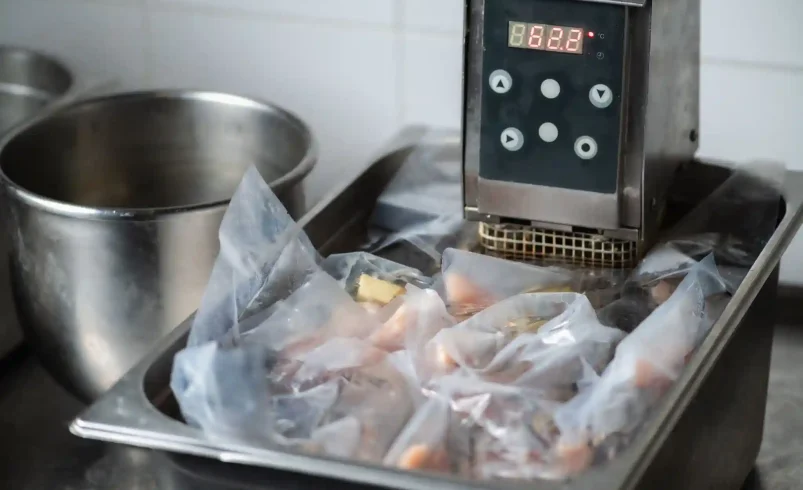
Sous vide, which means “under vacuum,” is a relatively modern technique. It involves sealing food in a bag and cooking it in a water bath at a controlled temperature. This method was once limited to professional kitchens. Advances in technology have made it accessible to home cooks. Devices like the Anova Precision Cooker and Breville Joule Sous Vide have played a significant role in this shift.
Heat Control: The Core Difference That Changes Everything
Temperature control is the defining factor in the debate between sous vide vs traditional cooking.
Direct Heat vs Controlled Water Temperature
Traditional cooking uses direct heat sources. These can vary in intensity and distribution. As a result, food may cook unevenly. Some parts may be overcooked while others remain undercooked. Sous vide eliminates this issue. The water bath maintains a constant temperature. Food cooks evenly from edge to center. This level of control is difficult to achieve with traditional methods.
Why Precision Matters in Cooking Results
Precision affects both texture and flavor. When food is cooked at the exact temperature it needs, the results are consistent. This consistency is especially important for delicate ingredients. It ensures that food is cooked perfectly every time. For many, this reliability is the biggest advantage of sous vide cooking.
Texture and Tenderness: A Noticeable Contrast
Texture is one of the most immediate differences between these methods.
How Traditional Methods Affect Texture
Traditional cooking can create a range of textures. High heat can produce a crispy exterior, but it can also lead to overcooking. Achieving the right balance requires skill. Even experienced cooks can struggle with consistency. Small variations in heat or timing can change the outcome.
The Consistency of Sous Vide Cooking
Sous vide excels in creating uniform texture. Because the temperature is controlled, food does not overcook.
-
Proteins remain tender and juicy throughout the cooking process.
-
The risk of drying out food is significantly reduced.
-
Even thick cuts cook evenly without losing moisture.
-
Results are repeatable, making it easier to achieve perfection.
This consistency is one of the reasons sous vide has become so popular.
Flavor Development: Seared vs Sealed Cooking
Flavor is influenced by how food is cooked.
The Role of Browning and Caramelization
Traditional methods rely on high heat to create browning. This process, known as the Maillard reaction, adds depth and complexity to flavor. Grilling, roasting, and frying all benefit from this effect. It creates the rich, savory notes that many people associate with cooked food.
Flavor Retention in Vacuum-Sealed Cooking
Sous vide takes a different approach. By sealing food in a bag, it preserves natural flavors. Moisture and juices remain inside, enhancing taste. However, sous vide alone does not create browning. Many cooks finish their food with a quick sear to add texture and flavor. This combination offers the best of both worlds.
Time and Convenience: Fast vs Slow Approaches
Time plays a different role in each method.
Cooking Speed in Traditional Methods
Traditional cooking is often faster. High heat allows food to cook quickly. This makes it suitable for everyday meals and busy schedules. However, speed can come at the cost of precision. It requires constant attention to avoid overcooking.
The Patience Behind Sous Vide Results
Sous vide is a slower process. It can take hours to cook certain dishes.
-
Longer cooking times allow flavors to develop gradually.
-
Minimal supervision is required once the process begins.
-
Timing is more flexible, reducing pressure during cooking.
-
Results are consistent regardless of cooking duration within limits.
This method rewards patience with precision.
Equipment and Accessibility in Modern Kitchens
Traditional cooking requires basic equipment such as pots, pans, and ovens. These tools are widely available and easy to use. Sous vide, on the other hand, requires specialized equipment. While devices have become more affordable, they still represent an additional investment.
Accessibility has improved significantly. More people are exploring sous vide as technology becomes easier to use.
Safety, Precision, and Cooking Confidence
Cooking safety is an important consideration. Traditional methods rely on visual cues and experience to determine doneness. This can lead to uncertainty. Sous vide provides precise temperature control, reducing guesswork. It ensures that food reaches safe internal temperatures. This precision builds confidence, especially for beginners. It allows them to achieve professional-level results with less risk.
Common Mistakes When Switching to Sous Vide
Transitioning to sous vide can be challenging. One common mistake is skipping the searing step. This results in food that lacks texture. Another mistake is using incorrect temperatures. Precision is key, and small errors can affect the outcome. Improper sealing can also cause issues. Air in the bag can lead to uneven cooking. Avoiding these mistakes ensures better results.
Expert Insights on Choosing the Right Method
Experts suggest choosing the method based on your goals. If you value speed and tradition, traditional cooking is ideal. If you prioritize precision and consistency, sous vide is the better choice. They also recommend combining both methods. Using sous vide for cooking and traditional methods for finishing creates a balanced approach. Understanding your preferences and needs helps you make the right decision.
The Future of Cooking with Smart Technology
Technology continues to shape the kitchen. Smart devices are making cooking more efficient and accessible. Sous vide is part of this trend. It represents a move toward precision and automation. As technology evolves, these methods will become even more integrated into everyday cooking. The future of cooking lies in combining tradition with innovation. This balance allows for both creativity and consistency.
Final Thoughts on Choosing Your Cooking Style
The comparison of sous vide vs traditional cooking is not about choosing one over the other. It is about understanding their strengths. Traditional cooking offers speed, versatility, and a connection to culinary tradition. Sous vide provides precision, consistency, and control. Both methods have their place in the kitchen. The best approach is to use them together. This allows you to enjoy the benefits of each and create exceptional meals.
FAQs
Is sous vide better than traditional cooking?
Sous vide is better for precision and consistency, while traditional cooking excels in speed and flavor development through browning. The best choice depends on your cooking goals and preferences.
Can beginners use sous vide cooking easily?
Yes, sous vide is beginner-friendly because it reduces guesswork. With proper temperature settings and basic understanding, even beginners can achieve consistent and high-quality results.
Do you still need to sear food after sous vide?
Yes, searing is recommended after sous vide cooking. It adds texture and enhances flavor through browning, creating a more complete and enjoyable dish.