Can 1 USB-C Standard Change Solve All Your Charging Fears?
USB-C is no longer just a connector choice made by engineers. It has become a regulatory subject that affects product design, compliance timelines, and consumer expectations. As governments step in to enforce universal charging standards, the USB-C Standard now sits at the intersection of technology, policy, and user experience. This shift has reshaped how manufacturers implement USB-C and how consumers interpret compatibility. The result is a connector that looks universal but behaves differently depending on device class, charging protocols, and internal design choices.
From Voluntary Adoption to Enforced Standardization
USB-C adoption began as an industry-led move toward a more capable connector. Regulation changed the motivation.
Regulatory Pressure and Market Alignment
New regulations, especially in major markets, pushed manufacturers to adopt USB-C as a baseline requirement rather than an optional upgrade. The goal was clear. Reduce electronic waste. Simplify charging. Improve interoperability. However, regulators focused primarily on physical standardization and minimum charging support. They did not mandate full feature parity. This allowed manufacturers to comply legally while maintaining control over performance and differentiation. As a result, USB-C became universal in form, not function.
Why USB-C Adoption Was Not Enough
Many consumers assumed that once devices switched to USB-C, compatibility issues would disappear. That assumption proved incorrect. The USB-C Standard defines the connector shape and basic electrical behavior, but it does not enforce uniform charging speeds, data transfer rates, or accessory support. Devices can share the same port while behaving very differently. This gap between expectation and reality is where most confusion originates.
What the USB-C Standard Really Covers, and What It Doesn’t
Understanding compatibility starts with understanding scope.
Connector Uniformity vs Functional Consistency
The USB-C connector guarantees physical compatibility. Any USB-C cable fits any USB-C port. Beyond that, guarantees fade quickly. Functional consistency depends on internal controllers, supported protocols, and firmware logic. Two devices with identical ports may support entirely different feature sets. This design flexibility benefits manufacturers but complicates user experience.
Charging Protocols Hidden Behind the Port
Charging behavior depends on negotiated protocols. USB Power Delivery is the most widely supported standard, but it is not mandatory at all power levels. Some devices rely on proprietary extensions layered on top of USB-C. Others support only baseline charging. This means a charger that works perfectly for one device may underperform with another, even when both claim USB-C compatibility.
Data Transfer Speeds and Labeling Confusion
USB-C does not define data speed. USB 2.0, USB 3.2, USB4, and Thunderbolt can all use the same connector. Without clear labeling, users cannot easily identify capabilities. Regulations have largely ignored data transfer speeds, focusing instead on charging. This leaves a major compatibility gap untouched.
Universal Chargers Sound Simple, Until You Use Them
The idea of one charger for everything is appealing. The reality is more complex.
Power Negotiation Between Devices and Chargers
USB-C charging relies on negotiation. Devices request power profiles. Chargers respond with supported levels. When profiles mismatch, devices fall back to lower power modes. This process is invisible to users but directly affects charging speed and reliability. Universal chargers work best when both sides support the same advanced protocols. When they do not, performance suffers.
Why Some USB-C Chargers Feel Inconsistent
Users often report that the same charger behaves differently across devices. This inconsistency is usually intentional. Devices limit power intake to protect batteries or manage heat. Chargers throttle output based on internal temperature or connected load. Safety mechanisms prioritize stability over speed. These design choices comply with regulations but reduce perceived compatibility.
How New Regulations Change Device Compatibility in Practice
Regulatory changes affect different devices in different ways.
Smartphones, Laptops, and Accessories Under One Rule
Smartphones benefit the most from USB-C standardization. Power requirements are modest, and charging protocols are widely supported. Laptops present more complexity. Higher power demands require robust USB Power Delivery support, certified cables, and capable chargers. Accessories such as headphones, docks, and external drives often expose the weakest points in compatibility due to limited protocol support or cost-driven design compromises.
Backward Compatibility and Legacy Devices
New USB-C regulations do not eliminate older devices. Legacy chargers and accessories remain in circulation. While USB-C is backward compatible at a basic level, performance mismatches are common. Older chargers may charge new devices slowly. New chargers may not optimize older hardware. Compatibility exists, but efficiency varies widely.
Accessory Ecosystems and Certification Limits
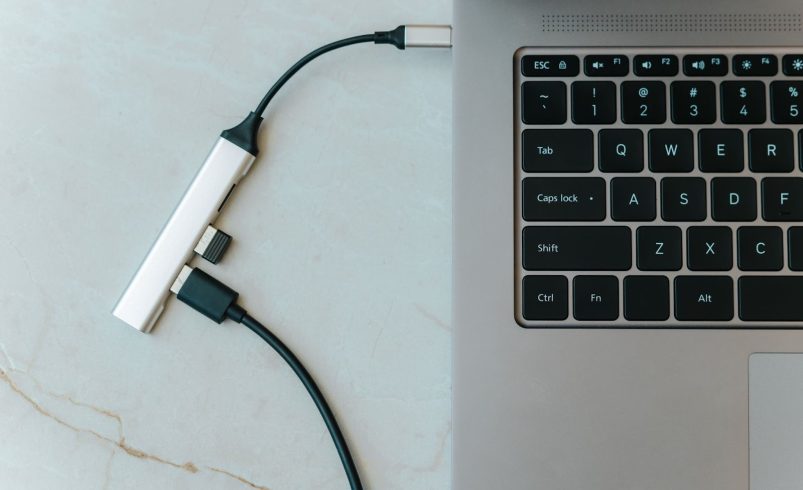
Cables and hubs play a critical role in compatibility. Not all USB-C cables are equal. Some support high power. Others support high data rates. Few support both. Certification programs exist, but enforcement is inconsistent. This makes accessories the most common source of USB-C frustration.
The Role of Charging Protocols in Compatibility Gaps
Charging behavior explains many perceived failures.
USB Power Delivery vs Proprietary Fast Charging
USB Power Delivery provides a standardized framework, but manufacturers often extend it with proprietary fast charging methods. These extensions improve performance within ecosystems but reduce cross-brand compatibility. Devices may default to slower charging when proprietary protocols are unavailable. This trade-off preserves differentiation at the cost of universality.
Why Fast Charging Still Isn’t Universal
Fast charging depends on voltage profiles, current limits, thermal design, and battery chemistry. Even when chargers support high wattage, devices may limit intake to preserve longevity. Regulations do not mandate fast charging parity. They mandate compatibility, not performance equality.
Data Transfer Speeds: The Most Overlooked Compatibility Issue
Charging dominates attention. Data performance is often ignored.
Same Cable, Different Speeds
USB-C cables vary internally. Some include e-marker chips to support high power or speed. Others do not. Using the wrong cable can silently limit data transfer speeds without warning. Users often blame devices when the cable is the bottleneck.
Regulations Focused on Power, Not Performance
Regulatory frameworks prioritize charging standardization and waste reduction. Data transfer remains unregulated. As a result, manufacturers have little incentive to simplify or standardize data performance messaging. Compatibility exists in theory but remains inconsistent in practice.
Manufacturers’ Response to USB-C Standard Changes
Compliance does not equal uniformity.
Compliance Without Uniform Experience
Manufacturers meet regulatory requirements while preserving product segmentation. Entry-level devices support baseline USB-C features. Premium devices unlock advanced capabilities. This approach satisfies legal obligations without eliminating differentiation. From a business perspective, it works. From a consumer perspective, it complicates expectations.
Design Trade-Offs Behind USB-C Implementation
Supporting full USB-C functionality increases cost, complexity, and thermal challenges. Not every product justifies that investment. Manufacturers make deliberate trade-offs based on price point, target audience, and product lifecycle. These decisions shape compatibility more than regulations do.
What Consumers Should Expect Going Forward
USB-C compatibility will improve gradually, not uniformly. Charging consistency will continue to improve as USB Power Delivery adoption expands. Data transfer confusion will persist without stronger labeling standards. Accessories will remain the weakest link. Informed purchasing decisions will matter more than ever.
Where the USB-C Standard Is Still Evolving
The USB-C ecosystem continues to evolve. New revisions aim to simplify naming, improve power handling, and support higher data rates. Adoption will take time. Legacy devices will coexist with new standards for years. Compatibility will improve, but complexity will not disappear entirely.
FAQs
Does USB-C guarantee fast charging across all devices?No. USB-C guarantees physical compatibility, not charging speed or protocol support.
Why does my USB-C charger work better with some devices than others?Charging depends on negotiated protocols, power profiles, and device limits.
Are all USB-C cables the same?No. Cables differ in power capacity, data speed support, and certification.
Do regulations require full USB-C feature support?Regulations focus on connector standardization and basic charging compatibility, not performance parity.
Will USB-C ever become truly universal?It will become more consistent, but full universality is unlikely due to design flexibility and market differentiation.