Can 6 Smart Devices Finally Give You the Perfect Home?
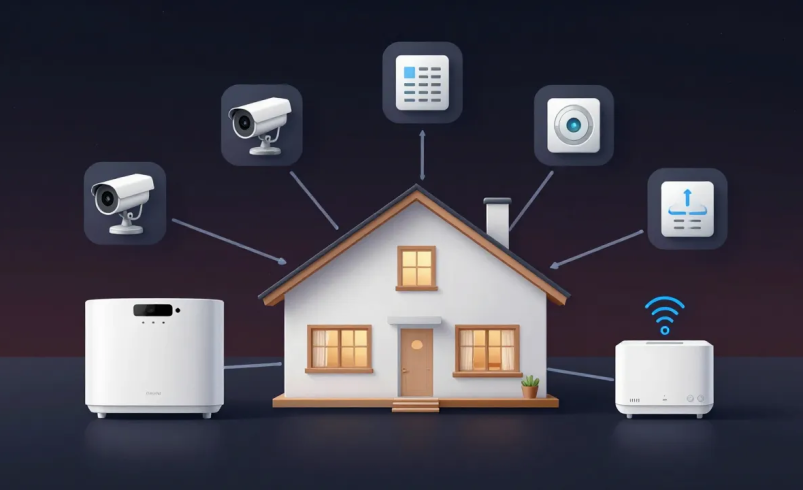
Due to the progress that we have made in the 21st century, intelligent gadgets have become a part of our lives, as they have integrated technology in our day to day activities. These gadgets make life easier, more efficient and better. This blog will discuss the different types of smart devices, their advantages, and the methods of selecting the most suitable ones to use in your home.
What Are Smart Devices?
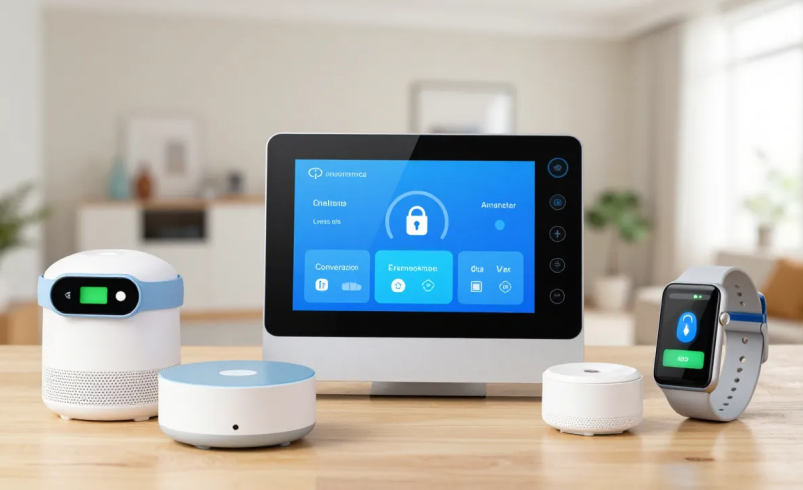
Smart devices refer to electronic equipment that is connected through the internet or other equipment and allows them to transmit and receive information. They are remotely controlled by homes through smartphones, tablets or computers, and thus the user can easily control their home environments. Most of them work based on artificial intelligence (AI) and machine learning to tailor to the preferences of users, which creates a personalized experience.
The enjoyment of smart devices is their capability to increase comfort, energy efficiency, and security. With the ever-changing technology, the application of smart devices is becoming more user-friendly and accessible to people, making them very popular in households.
Types of Smart Devices
1. Smart Home Assistants
Smart home assistants, including Amazon Echo (Alexa), Google Nest (Google Assistant) and Apple HomePod (Siri), are the key point of managing other smart devices. They have voice recognition technology which enables users to perform commands, control tasks and access information using voice messages.
Benefits:
Hands-Free Control: Operate your smart devices without a touch of the hand and be able to multi-task.
Task Management: Reminders, calendar management and weather and news.
Entertainment: Play music, podcasts and audiobooks, providing greater entertainment in everyday life.
2. Smart Lighting
Smart lighting systems, such as Philips Hue and LIFX can be used to regulate the brightness and color of the lights remotely. Those smart bulbs are adjustable either using smartphone applications or voice commands.
Benefits:
Energy Efficiency: Smart bulbs consume less energy than regular bulbs and can be programmed to switch off in case of idle use.
Mood Setting: Adapt the lighting to every activity and make the ideal mood.
Security Features: When you are not there simulate occupancy by switching on lights and off when you do not want to be caught.
3. Smart Thermostats
Smart thermostats like the Nest Learning Thermostat and Ecobee SmartThermostat also allow controlling the heating and cooling systems efficiently. These devices acquire user preferences as time goes, and they can be remotely controlled.
Benefits:
Energy Saving: Maximize heating and cooling times to save a lot of energy.
Remote Control: It allows the adjustment of the temperature anywhere, which is comfortable on arrival.
Integration: Cooperation with other intelligent devices, e.g. air quality monitors, to make it comfortable.
4. Smart Security Systems
Smart security systems include cameras, motion detectors, and smart doorbells, allowing remote monitoring and control of home security. Brands like Ring, Arlo, and August Smart Lock provide various options to enhance safety.
Benefits:
Real-Time Monitoring: Receive alerts and view live feeds to ensure security.
Remote Access: Lock and unlock doors and monitor unusual activity from anywhere.
Integration: Work with other devices, such as lights and alarms, to enhance safety.
5. Smart Appliances
Smart appliances, from refrigerators that can track inventory to washing machines controllable via smartphone, simplify everyday tasks. Brands like Samsung and LG offer connected appliances that can be managed remotely.
Benefits:
Time-Saving Features: Streamline chores, such as preheating your oven or starting laundry.
Energy Efficiency: Designed to be energy-efficient, helping to save on utility bills.
Inventory Management: Smart refrigerators track expiration dates and suggest recipes based on available ingredients.
6. Smart Entertainment Systems
Smart TVs and streaming devices like Roku, Apple TV, and Chromecast provide access to various content from platforms like Netflix, Hulu, and YouTube. Many include voice control capabilities and integration with other smart devices.
Benefits:
Seamless Content Access: Easily access favorite shows and movies from various streaming services.
Voice Control: Control playback and search for content using voice commands.
Integration: Use your smart home assistant to control your TV or streaming devices.
Benefits of Smart Devices
Smart devices offer numerous advantages, making them attractive options for modern households:
1. Convenience
The first advantage is convenience. Being able to control your home conditions with your smartphone or voice control will help in controlling daily chores without any difficulties. Smart devices can be accessed and controlled instantly whether it is to adjust the thermostat, dim the lights or look at the security cameras.
2. Energy Efficiency
Smart devices are also energy efficient. Appliances, lighting, and thermostats use less energy and result in a huge saving of utility bills. These devices can be used to cut down on waste and ensure a sustainable lifestyle by tracking the usage habits and automatically making changes.
3. Enhanced Security
The intelligent security systems enable the homeowners to watch over their homes in real time which gives them peace of mind. The fact that you can get alerts and live camera feeds on your smartphone means that you are in touch with the security of your home.
4. Personalization
Smart devices learn from user preferences and behaviors, allowing for a highly personalized experience. For example, smart thermostats can adjust temperatures based on your daily schedule, while smart lighting can create customized scenes for different occasions.
5. Increased Connectivity
The integration of various smart devices fosters a connected home ecosystem, enhancing overall functionality. For example, your smart thermostat can communicate with your smart lighting system to create energy-saving scenarios based on occupancy.
Choosing the Right Smart Devices for Your Home
When navigating the smart device landscape, consider the following factors to ensure you make the best choices for your home:
1. Compatibility
Ensure that the devices you choose are compatible with your existing smart home ecosystem. If you have an Amazon Alexa device, look for products that integrate seamlessly with it. Compatibility can greatly enhance functionality and streamline management.
2. Ease of Use
Opt for devices with user-friendly interfaces and straightforward setup processes. Look for intuitive apps that enhance your overall experience with the device.
3. Security Features
Prioritize devices with robust security measures, such as encryption and two-factor authentication, to protect your home network. As smart devices become more prevalent, ensuring their security against breaches is crucial.
4. Scalability
Choose devices that can be easily expanded or integrated with future smart devices, allowing your smart home to grow as your needs evolve. Investing in a flexible ecosystem makes it easier to adopt new technologies.
5. Reviews and Recommendations
Research customer reviews and expert recommendations to gauge the performance and reliability of devices before making a purchase. Feedback from other users can provide valuable insights.
The Future of Smart Devices
As technology continues to advance, the future of smart devices looks promising. Innovations in AI, machine learning, and the Internet of Things (IoT) are driving the development of more sophisticated and capable devices. Here are some trends to watch for in the coming years:
1. Increased Interoperability
Future smart devices will feature improved interoperability, allowing different brands and devices to communicate more effectively. This connectivity will lead to more integrated and seamless smart home experiences.
2. Enhanced AI Capabilities
As AI technology evolves, smart devices will become more intuitive, learning from user behaviors to predict needs and preferences. This level of personalization will enhance user satisfaction.
3. Greater Focus on Privacy and Security
With the rise of smart devices, concerns about privacy and security will continue to grow. Future devices will need to prioritize user data protection, offering transparent privacy policies.
4. Sustainability and Energy Efficiency
As society becomes more environmentally conscious, smart devices will increasingly focus on sustainability. Expect innovations that help users reduce their carbon footprint.
5. Smart Health Devices
The future will likely see an expansion of smart health devices that monitor health metrics and improve wellness. Wearables that track fitness levels and sleep quality will become more integrated with smart home systems.
Conclusion
Smart devices are transforming the manner in which we communicate with our homes, and are making homes more convenient, secure, and efficient. Conscious of the various kinds of smart devices in the market and their advantages, you will be in a position to make a wise choice of the kind of technology to embrace.
Be it the desire to save on energy, to increase security or to make the inhabiting area easier, the appropriate smart devices can make your living place smarter. When you are searching into the world of smart technology, you have to think about your particular needs and compatibility and long-term objectives and make a truly connected and efficient home.
You will benefit in numerous ways and enjoy the future of living with smart devices. You can make your place of home smarter, more comfortable, and efficient by investing in the appropriate technology now and in the coming years.