How to Prepare Your Property for CCTV Systems Installation
Installing a security system is one of the most effective ways to protect your property, deter crime, and monitor activities in real-time. A professional CCTV systems installation ensures that your surveillance setup is reliable, efficient, and tailored to your property’s needs. Proper preparation before installation is essential to make the process smooth, reduce potential issues, and maximize the effectiveness of your cameras.
1. Assess Your Security Needs
The first step in preparing for CCTV systems installation is assessing your security requirements. Identify areas that need monitoring, such as entrances, exits, hallways, parking lots, or other vulnerable spots.
Consider the level of surveillance you want, continuous monitoring, motion-triggered recording, or remote access. Understanding your needs helps determine the type and number of cameras required, ensuring full coverage and eliminating blind spots.
2. Plan Camera Placement
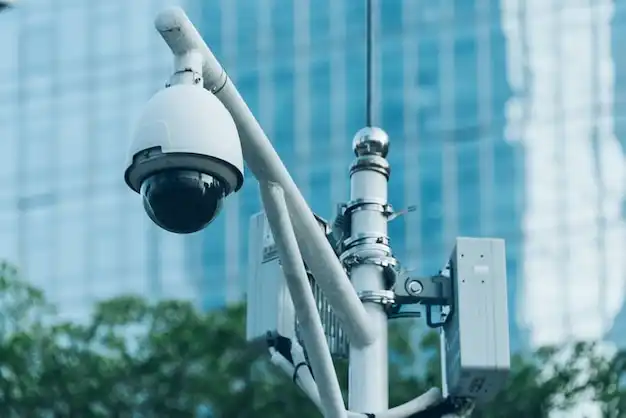
Strategic camera placement is crucial for an effective CCTV setup. Before installation, decide on optimal locations for each camera to capture critical areas while minimizing obstructions.
Cameras should be mounted at a height that prevents tampering and provides clear visibility. Planning in advance allows installers to position cameras efficiently, ensuring your CCTV systems installation delivers maximum security coverage.
3. Clear the Installation Area
For a smooth installation, clear the areas where cameras, cables, and other equipment will be installed. Remove furniture, storage boxes, or other obstacles that may interfere with camera placement or wiring.
Preparing the installation area not only allows technicians to work efficiently but also reduces the risk of accidental damage to your property during the process.
4. Prepare Electrical and Network Connections
Most CCTV systems require a power source and, in some cases, network connectivity for remote monitoring. Ensure there are accessible electrical outlets near camera locations or plan for additional wiring.
For IP or wireless cameras, verify that Wi-Fi or Ethernet connections are strong and stable. Having these connections ready before CCTV systems installation ensures a seamless setup and reduces installation time.
5. Discuss System Requirements with the Installer
Before the actual installation, communicate with your security provider about your expectations and any special requirements. Discuss camera types, recording preferences, storage needs, and remote access options.
Professional installers can recommend the best equipment and setup for your property, ensuring that your CCTV system is tailored to your security goals.
6. Protect Your Property and Plan Access
During installation, technicians may need access to various parts of your property, including attics, basements, or exterior areas. Ensure pathways are clear and that pets or valuables are secured.
Preparing your property for easy access allows the installation team to work efficiently, completing the CCTV systems installation with minimal disruption.
Conclusion
Proper preparation is key to a successful CCTV systems installation. By assessing security needs, planning camera placement, clearing installation areas, preparing electrical and network connections, coordinating with installers, and ensuring easy access, you can guarantee a smooth setup process. Taking these steps ensures that your CCTV system provides effective surveillance, enhances property security, and gives you peace of mind knowing that your home or business is well-protected.